The skyrocketing silver price at the start of 2026 has put the entire low-voltage electrical industry under pressure. In early 2025, the silver price was only 7,702 RMB/kg; by January 16, 2026, the quotation on the Shanghai Gold Exchange had surged to 22,849 RMB/kg, a nearly 200% increase in one year. In response, major manufacturers have issued frequent price hike notices, with industrial contactors seeing the most prominent increases. This is closely linked to the "lifeblood status" of copper and silver—two core metals in low-voltage electrical products.
Copper serves as the "skeleton" of low-voltage electrical equipment, providing basic support for current transmission; silver is the "soul" of core components, determining product reliability and service life. Today, we dissect each segment of low-voltage electrical products to explore where copper and silver are used, their usage volumes, and the real cost impact of the price surge.

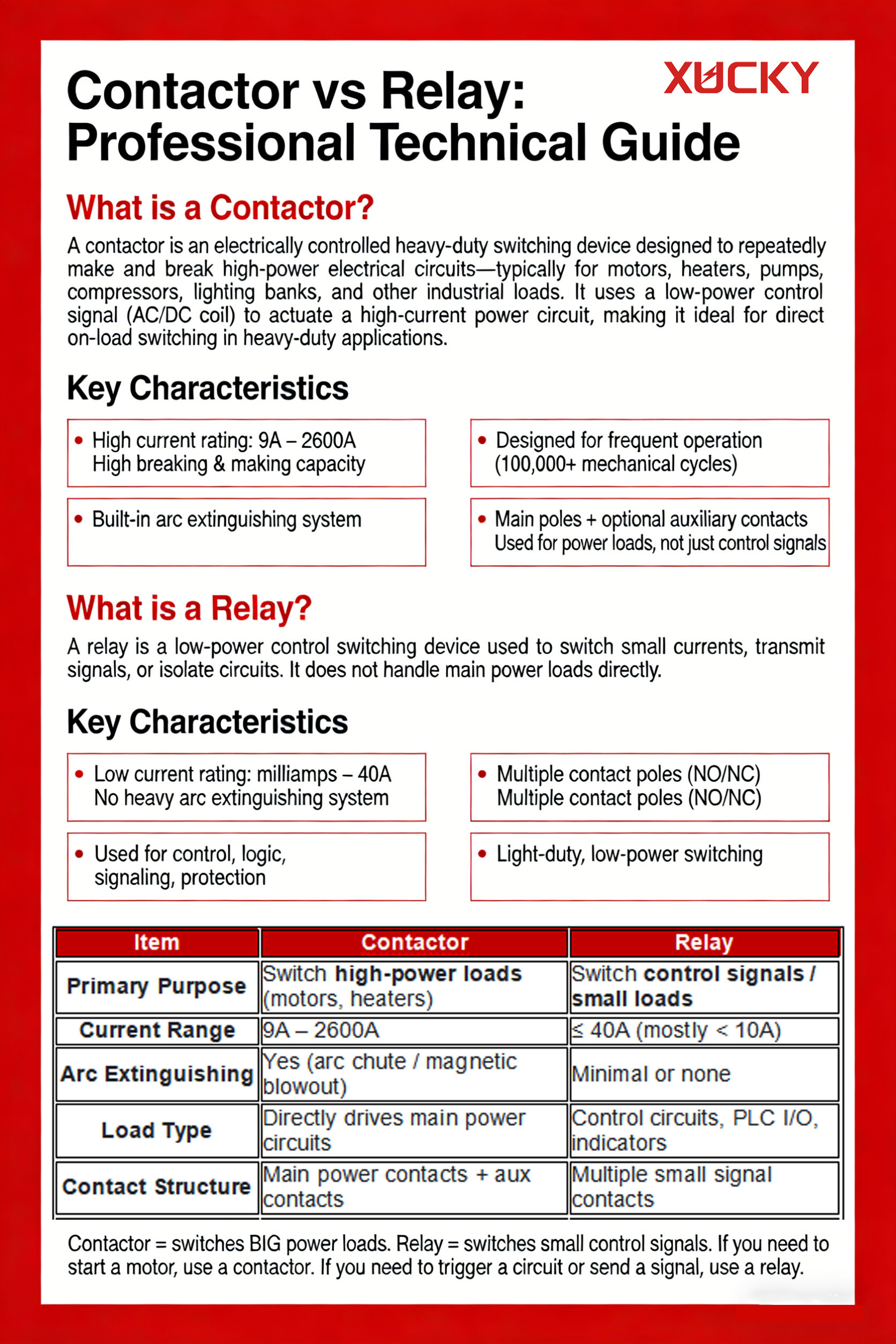
Known as the "workhorse" of low-voltage electrical equipment, contactors need to frequently switch load currents, withstanding 6-8 times the rated current during startup and boasting an electrical life of hundreds of thousands to millions of times (e.g., 9A contactors have an electrical life of over 2 million times). This all relies on the "hard work" of silver contacts.
Silver Application & Usage: Core silver-using parts are moving and static contacts, made of silver-based alloys (not just "silver-plated"). The mainstream eco-friendly material is silver tin oxide (AgSnO₂) with 88%-95% silver content and 5%-12% oxide content, offering arc erosion resistance, anti-welding properties, and stability—fully replacing toxic silver cadmium oxide (AgCdO). Silver nickel (AgNi) alloys are also used in some scenarios, with silver content adjusted by model.Usage is strongly correlated with current rating: small current (9A-63A) silver cost accounts for 25%-35%; medium current (80A-250A) 40%-45%; large current (315A-630A) 45%-55%. Higher current means more silver usage and higher cost share. For a 9A contactor with 2 million electrical life cycles, silver contact thickness directly determines service life—each arc ablation consumes silver.
Copper Application & Usage: Copper is used in coils, terminals, and conductive brackets. Coils use enameled copper wire for low resistance and heat dissipation; terminals are brass or pure copper for stable current transmission. Copper cost accounts for 15%-25%. Although cheaper than silver, the large usage volume means a 1,000 RMB/ton copper price increase adds millions of RMB in quarterly costs for leading enterprises.
Cost Impact: After a 200% silver price surge, the silver cost share of large-current contactors may exceed 40%. Combined with copper price hikes, core raw material costs have risen by over 120% year-on-year, making contactors the hardest hit by this price wave.
As the "protector" of circuits, circuit breakers focus on interrupting short-circuit large currents, with arc energy far exceeding that of contactors—demanding high erosion resistance for contact materials. Copper and silver have distinct roles.
Silver Application & Usage: Main contacts use high-wear-resistant silver-based alloys: molded case and air circuit breakers adopt silver tungsten (AgW) or silver tungsten carbon (AgWC40) alloys (high tungsten content, high melting point, resistant to short-circuit arc high temperatures); miniature circuit breaker contacts use silver tin oxide or fine-grain silver-copper composite materials with over 80% silver content.Silver cost share is lower than contactors: small current (63A-630A) 0.5%-5%; medium current (630A-3200A) 1.5%-8%; large current (4000A-6300A) 3%-8%. Overall, low sensitivity to silver price fluctuations.
Copper Application & Usage: Copper is the "main material" of circuit breakers—conductive circuits, copper bars, and terminals are pure copper. Large-current circuit breakers have thick copper bars and high usage. Copper cost accounts for 30%-45%, and over 50% for some large-current models. Copper price fluctuations significantly impact total costs.
Cost Impact: Silver price hikes have limited impact on circuit breaker costs, but a 30% copper price increase adds over 1,000 RMB in copper cost per large-current circuit breaker, pressuring profit margins of small and medium-sized enterprises.
Relays are small in size and operate frequently, requiring small but precise amounts of silver for contacts; copper serves as the basic conductive component.
Silver Application & Usage: General-purpose relays use silver nickel (AgNi10/15/20) or silver tin oxide (80%-95% silver content); automotive relays and latching relays often use silver tin oxide indium oxide (AgSnO₂In₂O₃) with 3%-5% indium oxide to enhance anti-material transfer performance (about 90% silver content); small relays may use silver lanthanum oxide instead of pure silver to save precious metal usage.Single-unit silver usage is only a few milligrams to tens of milligrams, but due to large production volumes and high silver content, silver cost accounts for 8%-20%. Automotive relays are the most sensitive to silver prices.
Copper Application & Usage: Copper is used in coils, pins, and conductive sheets. Coils use fine enameled copper wire, with copper cost accounting for 10%-18%—overall usage far lower than contactors and circuit breakers.
Fuses achieve protection through fuse element melting, with copper as the core material and silver only used in high-precision scenarios.
Silver Application & Usage: Ordinary fuses contain no silver or only a thin silver plating on contacts (extremely low silver content); high-precision, fast-acting fuses may use silver-copper alloy fuse elements (10%-30% silver content) to improve fusing consistency. Silver cost accounts for 2%-8%, with low sensitivity to silver price fluctuations.
Copper Application & Usage: Fuse elements, conductive terminals, and brackets are copper-based—fuse elements are mostly pure copper thin sheets. Copper cost accounts for 35%-50%, the core cost variable.
Isolating switches focus on insulation reliability in the open state, with low switching frequency and minimal dependence on silver.
Silver Application & Usage: Only contacts are silver-plated or use silver-copper composite contacts (5%-15% silver content) to improve conductivity and reduce contact resistance. Silver cost accounts for 1%-5%, barely affected by silver price surges.
Copper Application & Usage: Copper bars, conductive arms, and terminals are pure copper. Copper cost accounts for 40%-60%, the top cost driver. Copper price hikes directly push product prices up.
As an integrated carrier, the core cost of distribution cabinets comes from copper; silver only exists in internal components and is not directly included in cabinet costs.
Copper Application & Usage: Copper bars, wires, and busbars are core components, with copper cost accounting for 45%-62% of total cabinet costs. Before the copper price surge, the copper cost per unit was already several thousand RMB; a 36% copper price increase adds nearly 2,000 RMB per unit, significantly eroding profits.
Cost Impact: Enterprises are more affected by copper prices than silver prices. Leading enterprises have increased copper utilization rate from 88% to 95% through laser cutting, saving hundreds of tons of copper annually.
Silver Price Sensitivity: Contactor > Relay > Circuit Breaker > Fuse > Isolating Switch > Distribution Cabinet
Copper Price Sensitivity: Distribution Cabinet > Isolating Switch > Fuse > Circuit Breaker > Contactor > Relay
In 2026, silver and copper prices remain at high levels. The cost pressure on the low-voltage electrical industry has shifted from a "short-term impact" to a "long-term test". Technological innovation and cost control will become core competitiveness for enterprises. For downstream enterprises, locking in raw material prices in advance and selecting cost-effective products may be practical choices to cope with the price surge.
Follow us on www.xucky.com
Whatsup:+8613023777902