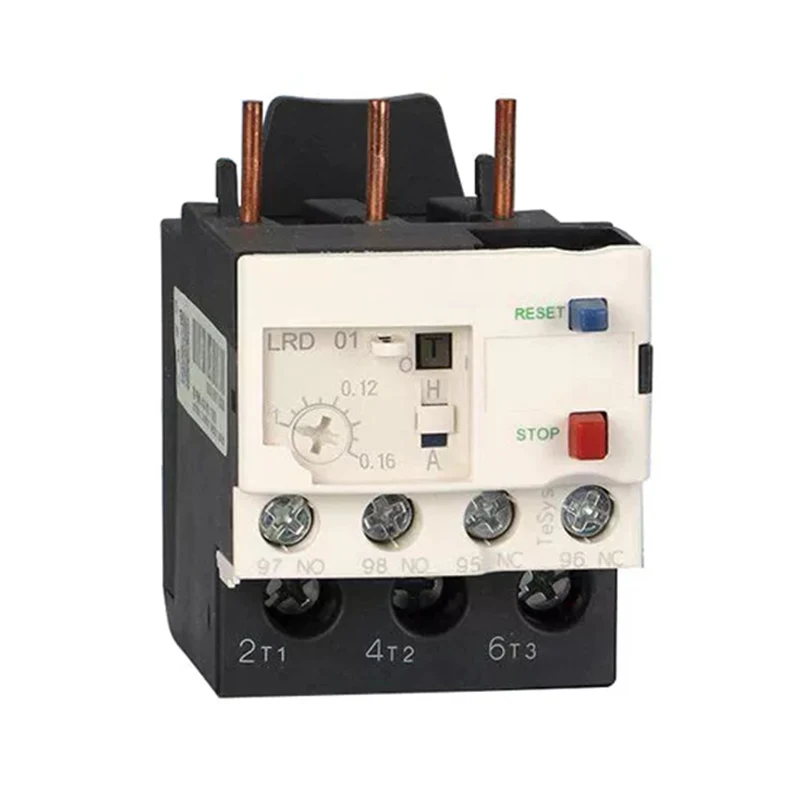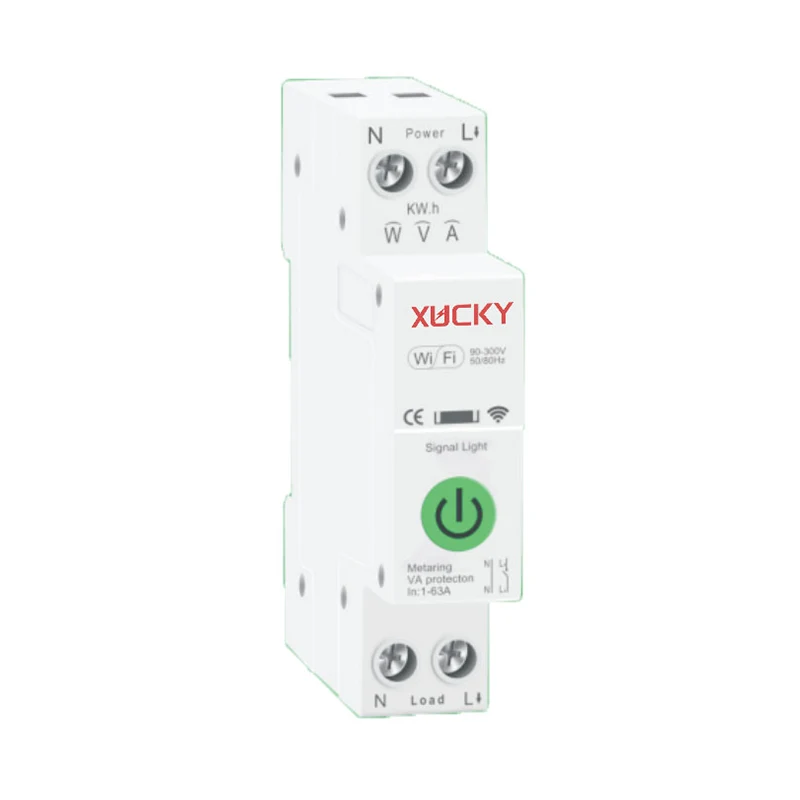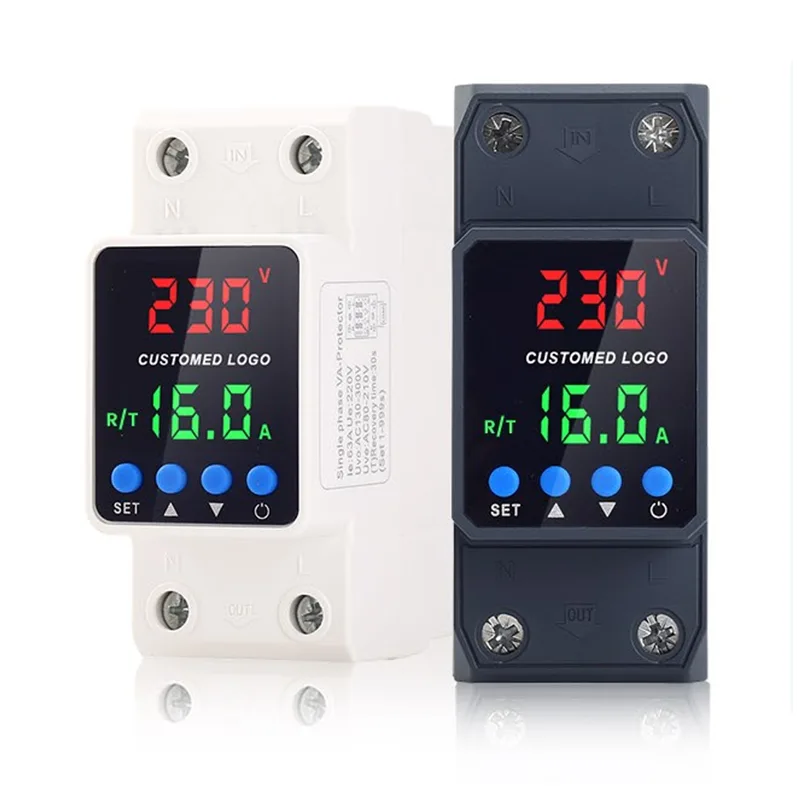

XUCKY thermal relay, also known as a thermal overload relay, is an electromechanical device that senses abnormal temperature increases in electrical circuits. It responds to these temperature changes by opening or closing contacts, which in turn interrupts the power supply to the equipment, preventing damage from overheating or overload conditions.
Thermal relays work on the principle of thermal expansion. The core component of a thermal relay is a bimetallic strip, which is made up of two different metals with different rates of thermal expansion, bonded together. As the temperature in the electrical circuit increases, the two metals expand at different rates, causing the bimetallic strip to bend or deform. This deformation triggers the relay’s contacts to open or close, depending on the application.
Some thermal relays also use a heating element in conjunction with the bimetallic strip. When an overload condition occurs, the heating element generates heat, which is then transferred to the bimetallic strip, causing it to bend and activate the relay contacts. This design allows for greater sensitivity and accuracy in detecting temperature changes.
Thermal relays are widely used across various industries and applications to safeguard electrical equipment. Some common applications include:
● Motor protection: Preventing motor damage caused by overloads, overheating, or phase failures.
● Transformer protection: Detecting and preventing overheating in transformers, which can lead to insulation breakdown and failure.
● Lighting protection: Protecting lighting systems from damage caused by overloads or short circuits.
● Contactors: Thermal relays are often used in conjunction with contactors to control the power supply to motors.
● Circuit Breakers: Combined with circuit breakers to provide both overcurrent and overtemperature protection.
● Control Panels: Integrated into control panels for industrial machinery and processes.