As critical components in circuit breakers, silver-based composite contacts play a pivotal role in current-carrying, arc interruption, and anti-welding performance. This analysis outlines five mainstream silver contact systems, their compositions, and functional characteristics—essential insights for electrical equipment manufacturers and industry professionals.
• Silver (Ag): Provides excellent electrical and thermal conductivity but exhibits poor anti-welding performance.
• Reinforcing Phases (Ni, SnO₂, W, WC, C): Enhance arc resistance, wear resistance, and anti-welding properties, with performance positively correlated to content (trade-off: higher content reduces conductivity).
AgNi
º Advantages: Balanced contact resistance and wear resistance; versatile for general applications.
º Typical Use Cases: Low-to-medium voltage circuit breakers requiring stable performance.
AgSnO₂
º Advantages: Excellent arc extinction and anti-welding balance; modified oxides improve stability.
º Key Feature: Environmentally friendly alternative to traditional cadmium-based contacts.
AgW
º Advantages: Superior arc resistance and erosion resistance under high-energy interruption.
º Limitation: Higher density increases contact weight.
AgWC
º Advantages: Combines strong arc resistance with extreme wear resistance; high hardness.
º Limitation: Brittle nature requires careful handling during manufacturing.
AgC
º Advantages: Excellent anti-adhesion properties; low carbon content (3-5%) controls contact resistance.
º Application: Ideal for low-current switching scenarios.
• Current Rating: Higher energy applications prioritize AgW/AgWC; medium loads favor AgNi/AgSnO₂.
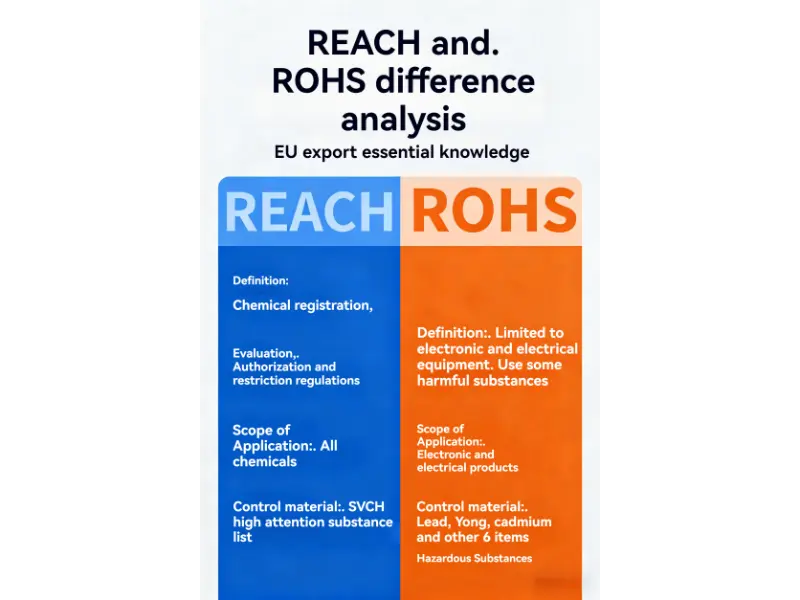
• Environmental Impact: AgSnO₂ is preferred for RoHS-compliant requirements.
• Cost-Efficiency: AgNi offers optimal balance for general-purpose circuit breakers.

Based on the comparisons and case studies, here’s a step-by-step decision framework for circuit breaker manufacturers:
Define Voltage & Current Ratings:
1.Low-voltage (≤1kV), low-current (≤63A): AgNi (residential MCBs) or AgC (appliance protectors).
2.Medium-voltage (1-36kV), medium-current (63-630A): AgSnO₂ (industrial MCCBs).
3.High-voltage (≥72.5kV), high-current (≥630A): AgW (utility circuit breakers) or AgWC (heavy-duty ACBs).
Prioritize Key Performance Needs:
1.Cost-sensitive projects: AgNi (best value).
2.RoHS/eco-friendly requirements: AgSnO₂ (replace AgCdO).
3.Extreme arc/abrasion: AgW/AgWC (high-energy applications).
Consider Manufacturing Constraints:
1.Brittle materials (AgW/AgWC) require precision stamping and assembly to avoid cracking.
2.Ductile materials (AgNi/AgSnO₂/AgC) are easier to process for complex contact shapes.
Silver-based composite contacts are not a "one-size-fits-all" component—their performance directly impacts the safety, reliability, and marketability of circuit breakers. By leveraging the system comparisons and real-world case studies above, you can select the optimal contact material for your specific product line, whether it’s residential MCBs, industrial MCCBs, or utility-grade high-voltage breakers.
For customized contact solutions or technical support, feel free to connect with our team. We specialize in silver-based composite contacts for circuit breakers, with a track record of supplying 200+ manufacturers worldwide.