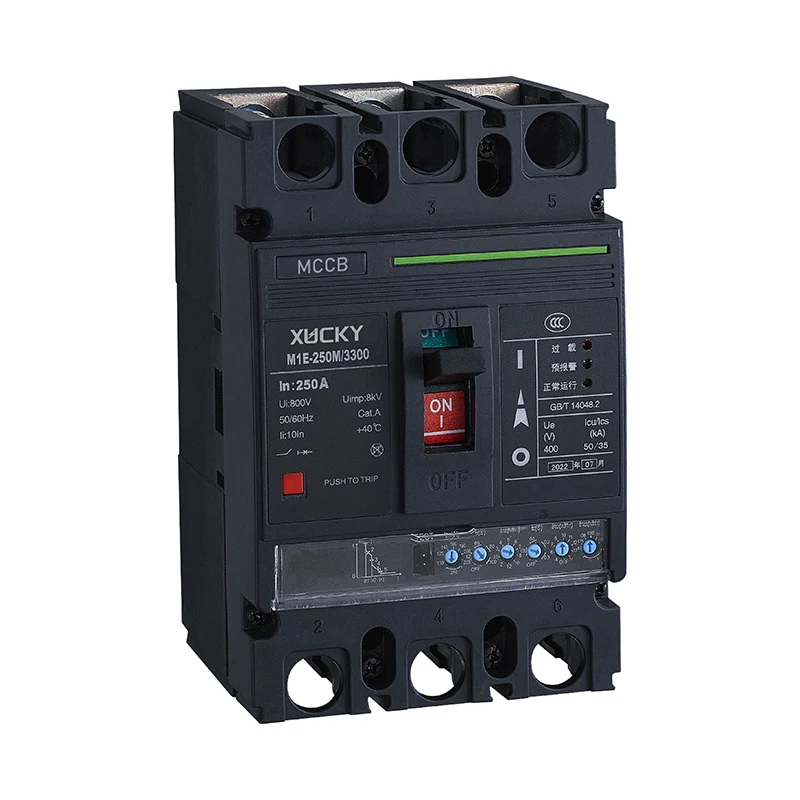
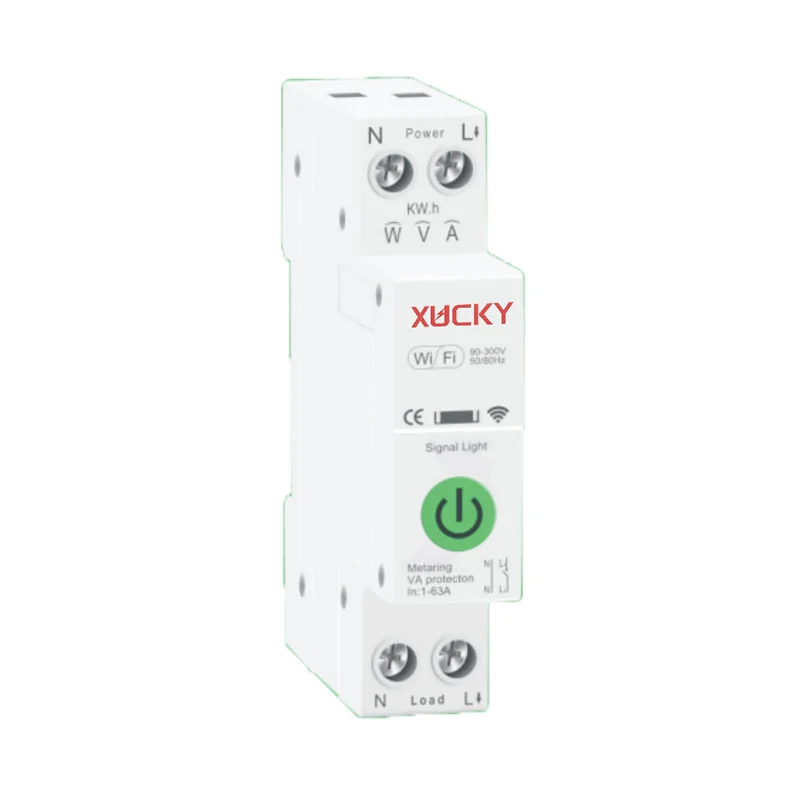
An MCB trip curve describes how the device responds to current over time. It is useful because electrical loads do not all behave the same way when they start or when a fault occurs. A lighting circuit, a general power circuit and a motor circuit can have different normal inrush characteristics. Selecting a curve without reviewing the load may lead to nuisance tripping or inadequate coordination.

The first concept is the difference between thermal and magnetic operation. Thermal protection responds to sustained overload. When current remains above the normal operating level for long enough, the thermal element responds according to the device's time-current characteristic. Magnetic protection responds much faster to a high current event such as a short circuit. The magnetic region is the part most often discussed when comparing B, C and D curves.
A typical B curve is commonly used as a reference for lower-inrush loads where a more sensitive instantaneous response is appropriate. Lighting, sockets and small electronic loads are common review examples. A typical category reference places the instantaneous magnetic region around 3–5 times the rated current, but the actual value and tolerance must be verified from the specific device documentation.
A typical C curve is commonly used as a general-purpose reference where moderate starting or inrush current may occur. General power circuits, pumps and fans can require more inrush tolerance than simple lighting loads. A typical category reference places the instantaneous magnetic region around 5–10 times the rated current. This range is educational guidance, not a universal rating for every C-curve product.
A typical D curve is commonly reviewed for loads with higher starting or inrush current, including motors, transformers and some welding equipment. A typical category reference places the instantaneous magnetic region around 10–20 times the rated current. Because a higher instantaneous threshold can affect fault protection and coordination, the selection should be checked carefully against the installation design and the actual time-current curve.
The key lesson is that B, C and D are not quality levels. A D curve is not automatically better than a B curve, and a B curve is not automatically safer for every circuit. The correct curve is the one that balances normal load starting behavior, short-circuit protection, cable capability, upstream and downstream coordination, and the applicable technical requirements.
Before requesting a quotation or approving a configuration, provide the load type, expected starting current, rated current, system voltage, cable information, prospective short-circuit current and coordination requirements. XUCKY can then review the requested product information against the applicable documentation.
For product information and configuration support, feel free to contact us!
|
Review point |
B curve |
C curve |
D curve |
|
Typical instantaneous category reference |
3–5 x In |
5–10 x In |
10–20 x In |
|
Inrush tolerance |
Lower |
Moderate |
Higher |
|
Common review examples |
Lighting, sockets, small electronic loads |
General power circuits, pumps, fans |
Motors, transformers, welding loads |
|
Selection question |
Is low inrush and fast sensitivity expected? |
Is this a mixed general-purpose load? |
Is normal starting current high and coordination verified? |
It describes the relationship between current and tripping time. It is especially useful for understanding the instantaneous magnetic response and the load's inrush tolerance.
No. The MCB still provides circuit protection. The curve changes the response characteristic used during selection.
No. The correct curve depends on the load's normal inrush, fault conditions, cable capacity and protection coordination.
No. They are typical category-level references for learning. Actual ranges and tolerances must be checked in the applicable product documentation.
Review the load type, rated current, expected starting current, system voltage, cable capacity, prospective short-circuit current, upstream and downstream devices, and the actual time-current curve.